
Schools are under pressure to do more with less: more space, lower energy bills and a smaller environmental footprint. Many are finding that timber frame modular classrooms answer all three. They are quick to build, comfortable to teach in and made from a renewable material that suits the way children learn.
This guide explains why timber is such a popular choice, what makes a classroom genuinely sustainable and what to ask any supplier. BGR Modular Classrooms is part of BGR Group, described on our about page as a trusted name in high-quality timber construction, so timber is what we know best.
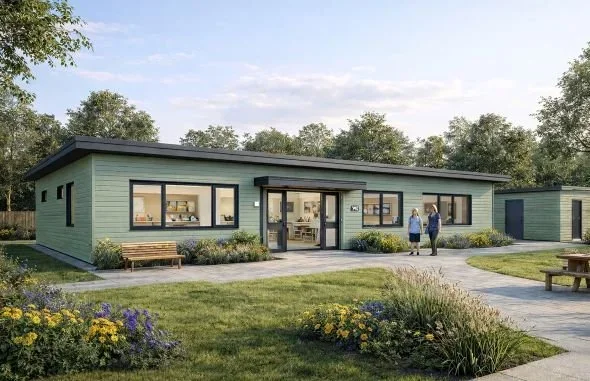
What Is a Timber Frame Modular Classroom?
A timber frame building uses a structural frame of timber studs and beams, which is then insulated, clad and finished. It is a long-established method that has been refined with modern design and construction techniques.
BGR's classrooms use a high-quality timber-framed structural system, precision-built with modern construction methods for long-term durability and performance. The frame is not steel, and the building is constructed directly on site rather than delivered as pre-assembled units.
Because the frame is built up on site, the design is not limited by transport sizes. That is why BGR can offer taller and larger spaces without a height restriction.
The result is a permanent teaching space that can be anything from a single classroom to a full teaching block, designed around the needs of the school.
Why Schools Are Choosing Timber
Timber has several practical advantages over other structural materials, and they show up every day in the life of a school.
Warm and Comfortable Spaces
Timber is a natural insulator, and a timber frame has room for insulation within the structure. BGR's buildings are fully insulated, which helps keep classrooms warm in winter and more comfortable in summer. Comfortable rooms help children concentrate, and they keep energy use down.
A Calm, Natural Look
Timber has a warm, natural feel that suits early years settings, SEND rooms, forest schools and art spaces as much as standard classrooms. Cladding can be chosen to blend in with an existing building, and BGR offers 21 cladding colours.
Low maintenance matters to busy schools. A timber-framed building designed for durability needs little upkeep over its life, which frees up time and budget for the things that matter more.
Sustainable Materials and Responsible Sourcing
The environmental case for timber rests on where it comes from. Timber is renewable, but only if forests are managed responsibly and replanted.
BGR uses responsibly sourced materials, and our timber is FSC-certified. The Institution of Structural Engineers points to certification schemes such as FSC and PEFC as the established way to show sustainable sourcing, and notes that timber's carbon benefits depend on replanting.
When you speak to any supplier, ask for evidence of certification rather than a general promise. A clear answer shows that sourcing has been thought through.
The Carbon Story: What Schools Should Know
Timber is often described as carbon storing, and there is truth in that. Trees absorb carbon as they grow, and that carbon stays locked in the timber for as long as the building stands.
The picture is more nuanced than a headline, and it is worth being honest about it. The same IStructE guidance explains that stored carbon is usually released again at end of life, and that results depend on sourcing, replanting and how long the building lasts. Research projects such as GenZero, a £4 million Innovate UK funded project testing an ultra-low embodied carbon timber classroom, show how seriously the sector is taking the question.
What does that mean for a school? Choose responsibly sourced timber, build something durable that will serve generations of pupils and keep the building in use for as long as possible. A long-lived, low-maintenance timber building is a sensible way to reduce the impact of the construction you need.
Foundations Without Concrete
Foundations are an often overlooked part of a building's footprint. BGR uses ground screw foundations, with no cement or concrete, and describes them as an environmentally friendly alternative to traditional concrete foundations.
Ground screws can be installed in as little as two days, and there is no spoil removal. That reduces site disruption and the transport-related emissions of carting soil and concrete to and from the school.
For a school, a shorter, cleaner foundation stage also means less time with machinery on site. Pupils and staff see less disruption, and the build can move on to the frame sooner.
They are also kinder to the site. With less digging, there is less disturbance to the ground, to roots and to the playground, which matters on a busy school campus.
Heating, Ventilation and Running Costs
A sustainable building is not only about materials. How it heats, cools and ventilates matters every day for decades.
BGR's specification includes A++ rated air source heat pumps and mechanical ventilation, and solar panels can be integrated for renewable power. A well-insulated frame, efficient heating and controlled fresh air work together to keep classrooms comfortable while keeping bills under control.
Fully insulated timber frame to reduce heat loss
A++ rated air source heat pumps for efficient heating
Mechanical ventilation for fresh air
Optional solar panels for renewable power
Low-maintenance materials designed for durability
Our article on climate-resilient classrooms looks at how design helps buildings cope with hotter summers.
Timber Compared With Other Construction Materials
Schools often ask how timber compares with steel or concrete. The honest answer is that each material has a place, and the best choice depends on the building and how it is made.
Where Timber Has the Edge
Timber is lighter than concrete and steel, which suits ground screw foundations and reduces the groundwork a building needs. It is also quick to work with on site, easy to adapt and comfortable to be in. The IStructE guidance notes that timber's embodied carbon benefits over concrete and steel depend on sustainable sourcing with replanting, which is why certified timber matters.
What to Ask Any Modular Classroom Supplier
Whoever you choose, a few clear questions will help you compare suppliers fairly and avoid surprises later.
Ask what the structure is made from and where the timber is sourced, and whether it is certified. Ask what foundations are used and what groundworks are required on your site. Ask what heating and ventilation are included, and how the building will perform in summer as well as winter.
Ask about the warranty and what it covers, who handles planning and building control, and how long the build will take once approvals are in place. A good supplier will answer in plain language and put the answers in writing.
Finally, ask to speak to the team who will do the work. Schools are busy, and a contractor who communicates well makes the whole project easier.
Built for Your School
Sustainability should not come at the expense of design. Every BGR building is bespoke, adapted to the size, layout, height, finishes and features that your school needs.
You can choose from 21 cladding colours, 30 floor tile options and 15 safety flooring styles, giving more than 2.7 million possible design combinations. We build for primary schools, secondary schools, academies and local authorities.
Our classrooms come with a 20-year structural warranty for peace of mind, and planning is handled as part of our service. See our recent work on the Our Projects page.
Frequently Asked Questions
Are timber frame classrooms durable?
Yes. BGR's timber-framed system is designed for long-term durability and low maintenance, and comes with a 20year structural warranty.
Is timber a sustainable material for school buildings?
It can be, when sourced responsibly. BGR uses responsibly sourced, FSC-certified timber, and ground screws instead of concrete.
Are timber classrooms energy efficient?
They are fully insulated and can use A++ rated air source heat pumps, mechanical ventilation and optional solar panels.
Do timber frame buildings need planning permission?
Planning permission is often required. BGR handles this as part of its service.
Can a timber classroom be customised?
Yes. You can adapt the size, layout, height, finishes and features, with a choice of cladding colours and flooring.
Talk to BGR About a Sustainable Classroom
A timber frame classroom can give your school a warm, durable and sustainable space that suits your pupils and your budget. The details matter, so we are happy to explain our specification openly.
We work with nurseries, SEND schools, primary and secondary schools, academies and councils across the UK, and quotes are usually returned within 24 hours where possible.
Read more about BGR, or contact us on 01494 702 199 to discuss your project.